On Receiving Feedback

Knowing how to receive feedback is half the battle. The receiver has a responsibility to be mindful of the context of the feedback, as well as self-aware of his or her own biases. This post will expand on the dynamics and awareness required to effectively receive feedback; including: Defensive Triggers Blind Spots Context & Intentions System Dynamics Content credit for…
On Giving Feedback

Last post I covered the importance of feedback. In this post, I’ll share with you some of the best frameworks I’ve found for giving feedback; including: One Minute Manager, by Ken Blanchard Google’s SBI Model Thanks for the Feedback, by Douglas Stone and Sheila Heen Let’s get started..

On the Importance of Feedback

As a manager and team player, feedback is one of the highest-leverage activities you can use to achieve and sustain high performance. Giving feedback empowers others to identify ways to improve the quality of their work. Receiving feedback demonstrates humility and your commitment to your own personal growth.

Focus on Results (What > How)

A mentor of mine shared an interesting piece of advice on managing others. It went: “When managing others, focus on the results that you want done, not how you want the work done.” This piece of advice is useful for a number of reasons: It scopes your focus on tangible, business outcomes. It empowers your…

Project Life Cycle Phase 3: Execution

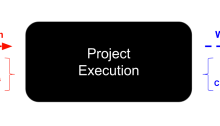
Project Execution is the effective allocation and coordination of resources to achieve the project objectives. The desired outcome of this phase is the creation and delivery of the project’s product, service, or business result. Read more to learn about effective project execution.

Project Management 101

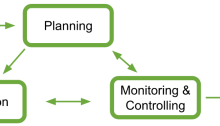
Managing projects is a fundamental competency of any organization or enterprise in. The goal of this Project Management series is to provide you with the fundamentals to effectively manage projects and deliver on unique business objectives.