The Goal of This Post
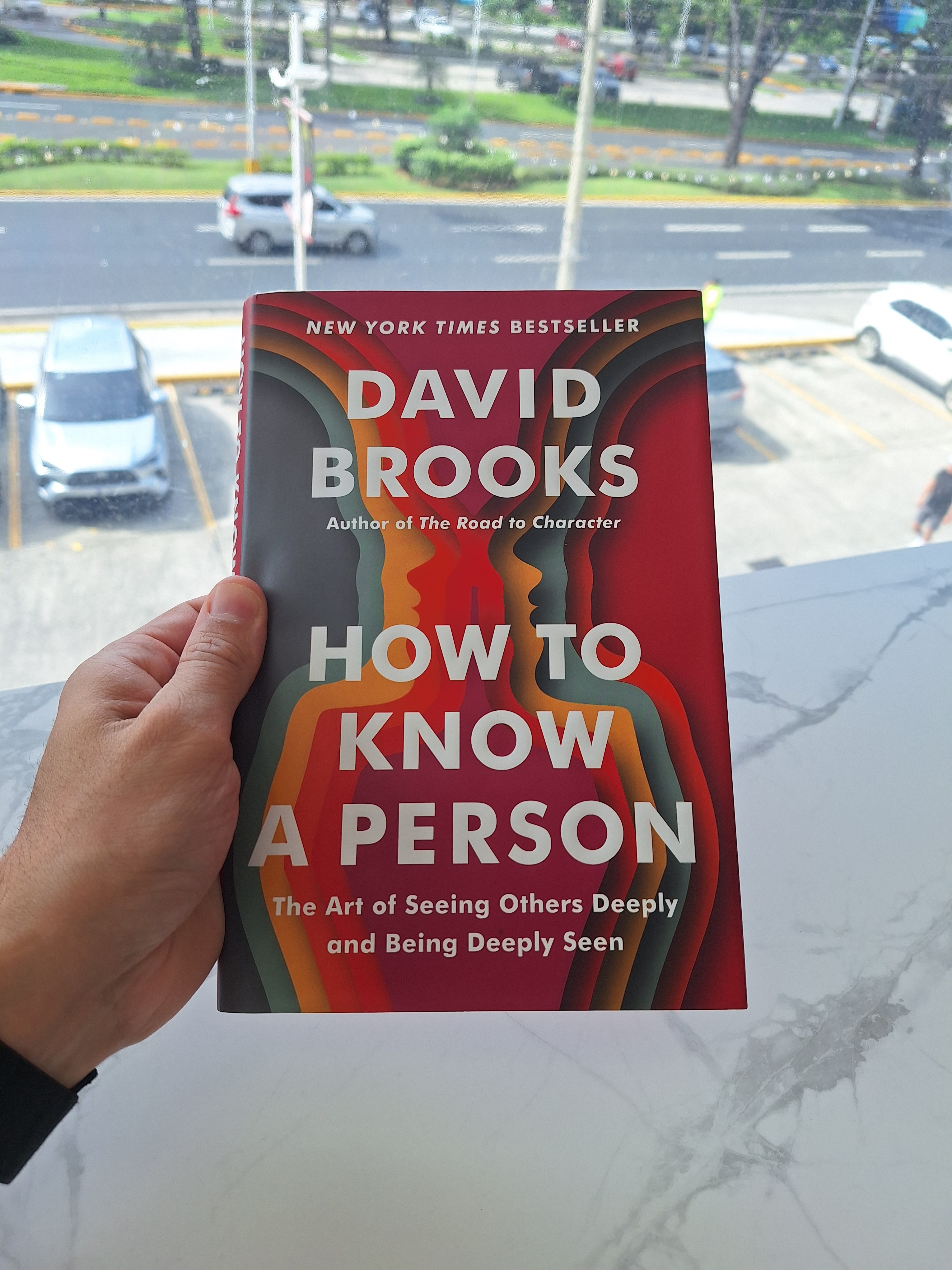
This post distills timeless lessons from How to Know a Person by David Brooks—insights on empathy, presence, and the art of truly seeing others, both in life and in leadership.
—
#1. The Power of Being Seen
- Life goes a lot better if you can see things from other people’s point of view.
- Diminishers make people feel small and unseen.
- Illuminators have a persistent curiosity about other people.
Human beings need recognition as much as they need food and water. No crueler punishment can be devised than to not see someone, to render them unimportant or invisible.
#2. Illumination
- The quality of your life depends quite a bit on the quality of attention you project out onto the world.
- Respect and reverence, this awareness of the infinite dignity of each person you meet, is a precondition for seeing people well.
- Respect is a gift you offer with your eyes. The way we attend to others determines the kind of person we become.
A good person tries to look at everyone with a patient and discerning regard, tries to resist self-centeredness and overcome prejudice, in order to see another person more deeply and with greater discernment. The good person tries to cast a selfless attention and to see what the other person sees.
#3. Accompaniment
- When you’re first getting to know someone, you don’t want to try to peer into their souls right away. It’s best to look at something together.
- If you don’t talk about the little things on a regular basis, it’s hard to talk about the big things.
- When you’re accompanying someone, you’re in a state of relaxed awareness – attentive and sensitive and unhurried.
Willingness — you’re willing to let the relationship deepen or not deepen, without forcing it either way. You are acting in a way that lets other people be perfectly themselves.
#4. Patience and Presence
- Presence is about showing up.
- Trust is built slowly.
- This is the ability to hold back and be aware of the other person’s timetable.
Before a person is going to be willing to share personal stuff, they have to know that you respect their personal stuff.
#5. Playfulness
- People are more fully human when they are at play.
- Play isn’t an activity; it’s a state of mind.
- In the midst of play, people relax, become themselves, and connect without even trying.
Laughter is not just what comes after jokes. Laughter happens when our minds come together and something unexpected happens: We feel the ping of common recognition. We laugh to celebrate our shared understanding. We see each other.
#6. Other-Centeredness
- When you’re accompanying someone, you’re signing on to another person’s plan.
- Accompaniment is a humble way of being a helpful part of another’s journey.
- Honor another person’s ability to make choices.
Trust is built when individual differences are appreciated, when mistakes are tolerated, and when one person says, more with facial expressions than anything else, “I’ll be there when you want me. I’ll be there when the time is right.”
—
What is a Person?
- Different people can experience the same event in profoundly different ways.
- Events happen in our lives, but each person processes and experiences any given event in their own unique way.
- There is the objective reality of what happens, and there is the subjective reality of how what happened is seen, interpreted, made meaningful.
- Well-being depends less on objective events than on how those events are perceived, dealt with, and shared with others.
The greatest thing a person does is to take the lessons of life, the hard knocks of life, the surprises of life, and the mundane realities of life and refine their own consciousness so that they can gradually come to see the world with more understanding, more wisdom, more humanity, and more grace. George Bernard Shaw got it right: “Life isn’t about finding yourself. Life is about creating yourself.”
All content credit goes to the author(s). I’ve shared the bits I’ve enjoyed the most and found most useful.
Cheers ’til next time! Saludos!
Alberto


 Beto's Blog