The Goal of This Post
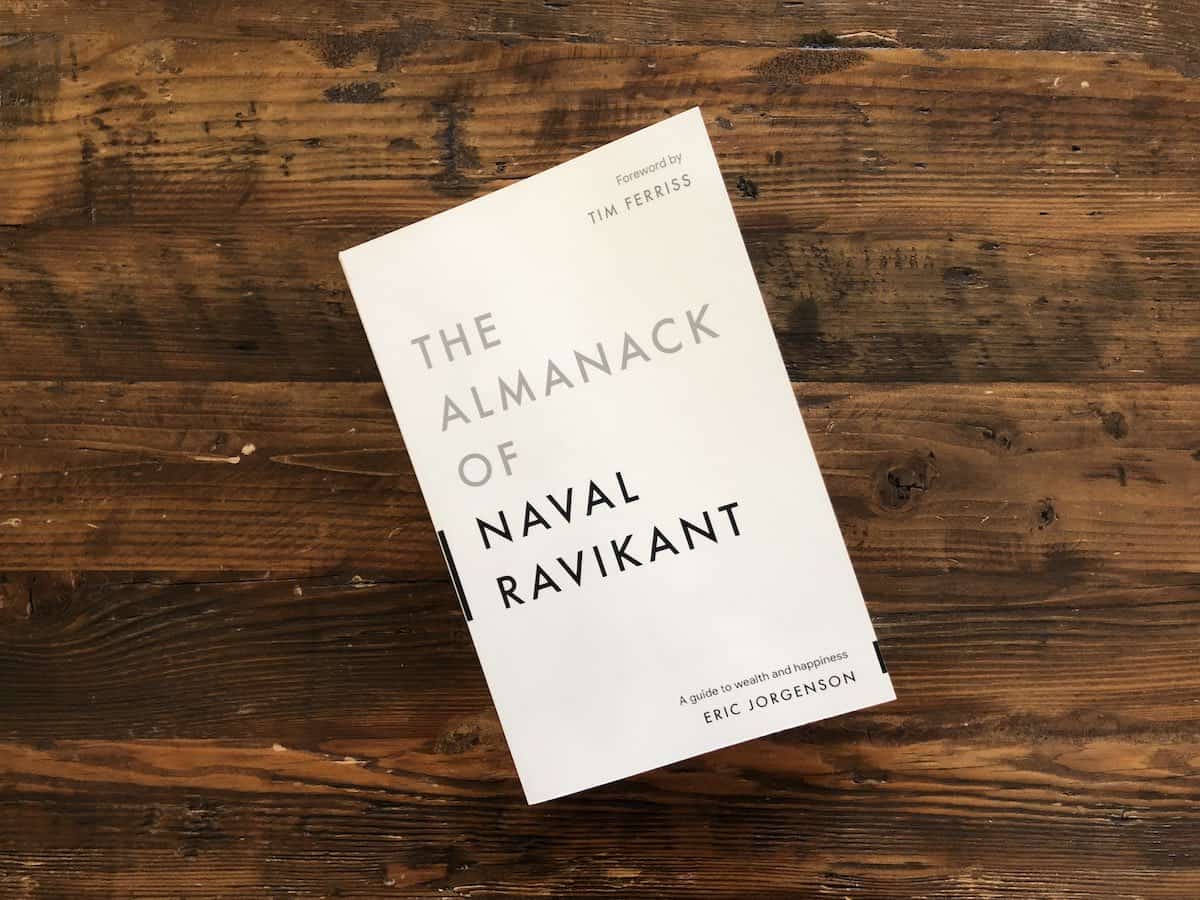
This post distills timeless lessons on happiness from The Almanack of Naval Ravikant, by Eric Jorgenson—insights on desire, presence, envy, and the daily habits that build lasting peace of mind.
—
Key Takeaways from Naval Ravikant on Happiness
- Happiness is learned by removing the sense of “something missing”.
- Desire is a contract for self‑inflicted unhappiness.
- Success does not create happiness—peace does.
- Presence and inner silence are essential for joy.
- Envy and “shoulds” are enemies of peace of mind.
- True happiness is built through habits, not achievements.
- The real game is internal—it’s a single‑player game.
—
Happiness is Learned
- Happiness is there when you remove the sense of something missing from your life.
- When you have internal silence, then you are content, and you are happy.
- Happiness is about the absence of desire, especially the absence of desire for external things.
A rational person can find peace by cultivating indifference to things outside of their control.
—
Happiness is a Choice
- Happiness is a choice you make and a skill you develop.
- Easy choices, hard life. Hard choices, easy life.
Memory and identity are burdens from the past, preventing us from living freely in the present.
—
Happiness Requires Presence & Peace
- Anticipation for our vices pulls us into the future.
- Eliminating vices makes it easier to be present.
- Anxiety is just a series of running thoughts.
A lot of unhappiness comes from comparing things from the past to the present.
—
Every Desire is a Chosen Unhappiness
- The fundamental delusion is looking outside yourself for happiness.
- It’s more important to perfect your desires than to try to do something you don’t 100% desire.
Desire is a contract you make with yourself to be unhappy until you get what you want.
—
Success Does Not Earn Happiness
- Happiness is being satisfied with what you have.
- Peace is happiness at rest, and happiness is peace in motion.
- Success comes from dissatisfaction.
The real winners are the ones who step out of the game entirely, who don’t even play the game, who rise above it. Those are the people who have such internal mental and self-control and self-awareness, they need nothing from anybody else.
—
Envy is the Enemy of Happiness
- Whenever the word “should” creeps up in your mind, it’s guilt or social programming.
- The enemy of peace of mind is expectations drilled into you by society and other people.
- All the real scorecards are internal.
Training yourself to be happy is completely internal. You’re competing against yourself – it is a single-player game.
—
Happiness is Built by Habits
- You can increase your happiness over time. It starts with believing you can do it.
- It’s all trial and error. You try until you find something that works for you.
Essentially, you have to go through your life replacing your thoughtless bad habits with good ones, making a commitment to be a happier person.
—
Happiness Habits
- Insight Meditation: to try and understand how your mind works.
- Drop caffeine and alcohol if you want a stable mood.
- Work out: peace of body makes peace of mind easier.
- Use meditation, music and exercise to reset your mood.
How much of the day is spent doing things out of obligation rather than out of interest?
A Final Thought
You’re going to die one day, and none of this is going to matter. So enjoy yourself. Do something positive. Project some love. Make someone happy. Laugh a little bit. Appreciate the moment. And do your work.
All content credit goes to the author(s). I’ve shared the bits I’ve enjoyed the most and found most useful.
Cheers ’til next time! Saludos!
Alberto


 Beto's Blog