The Goal of This Post
This post is a synthesis from the book Beyond Order, 12 More Rule for Life, by Jordan Peterson.
The author shares a series of powerful guidelines, virtues and rules to take control and responsibility for your life.
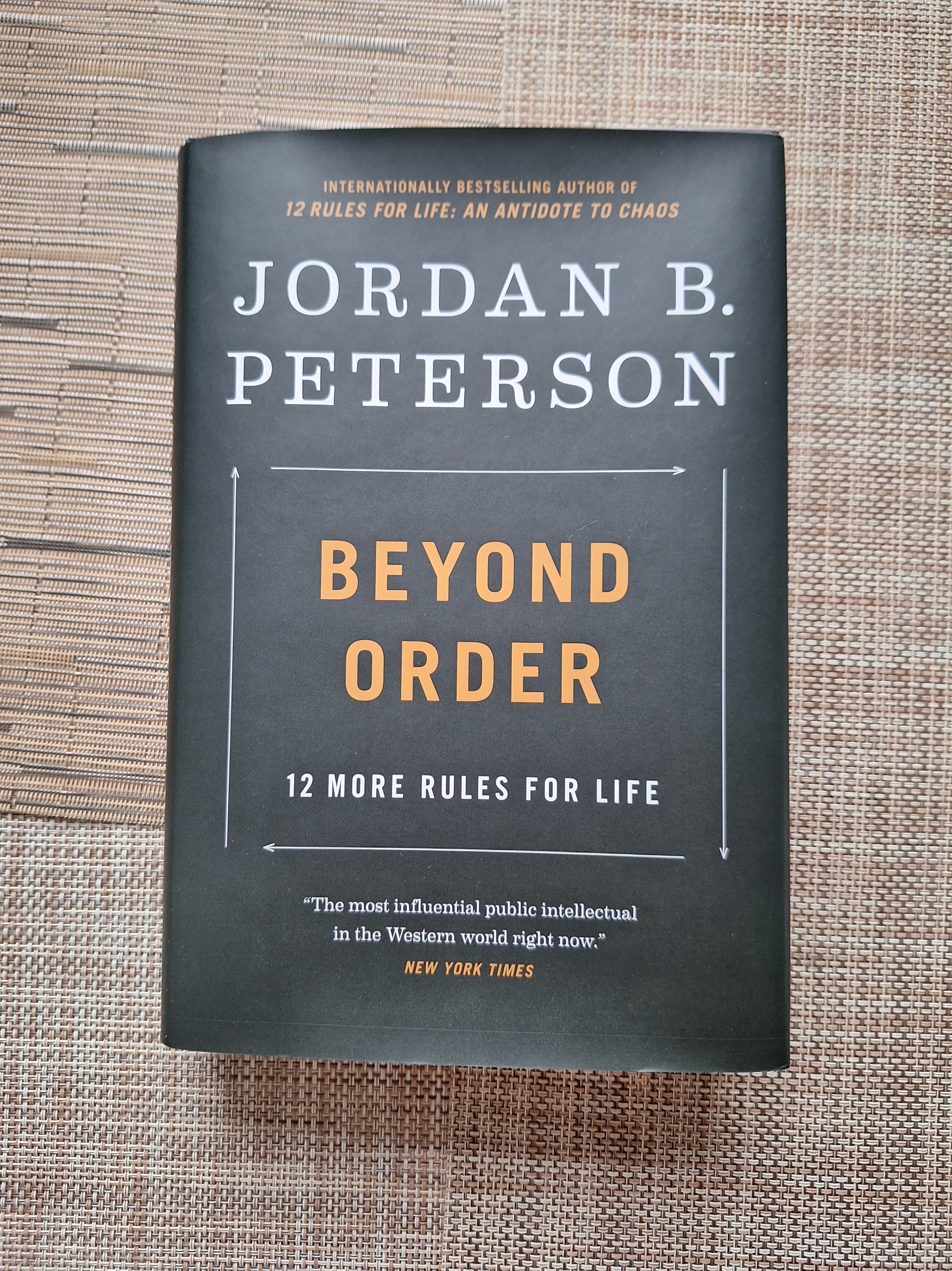
Beyond Order. Rule #4.
“Notice that opportunity lurks where responsibility has been abdicated.” – Jordan Peterson
—
I. Make Yourself Invaluable
“It appears that the meaning that most effectively sustains life is to be found in the adoption of responsibility.”
“If you want to become invaluable in a workplace – in any community – just do the useful things no one else is doing. Arrive earlier and leave later than your compatriots (but do not deny yourself your life). Organize what you can see is dangerously disorganized. Work, when you are working, instead of looking like you are working. And finally, learn more about the business – or your competitors – than you already know.”
II. The Role of Responsibility
“People are more commonly upset by what they did not even try to do than by the errors they actively committed while engaging with the world.”
- “You must sacrifice something of your manifold potential in exchange for something real in life.”
- “Aim at something. Discipline yourself. Or suffer the consequences.”
- “Confront the possibility that manifests in front of you every second of your life with the desire to make things better, regardless of the burden…”
“There is a potential within you (some of that magic so evident in childhood) that will emerge when circumstances demand and transform you into someone who can prevail.”
III. The Role of Challenge
“It is a maxim of clinical intervention that voluntary confrontation with a feared, hated, or despised obstacle is curative.”
- “We become stronger by voluntarily facing what impedes our necessary progress.”
- “When you face a challenge, you grapple with the world and inform yourself.”
- “(Challenge) This makes you more than you are. It makes you increasingly into who you could be.”
“We are well advised to take on challenges at precisely the rate that engages and compels alertness, and forces the development of courage, skill, and talent, and to avoid foolhardy confrontation with that which lies beyond current comprehension.”
IV. Act in the Present. Reconcile the Future.
“You have a minimum moral obligation to take care of yourself.”
- “You know the risks if you choose to maximize now at the expense of later.”
- “The mere fact that something makes you happy in the moment does not mean that it is in your best interest.”
- “To work means to sacrifice the hypothetical delights of the present for the potential improvement of what lies ahead.”
Here is what the future means: if you are going to take care of yourself, you are already burdened (or privileged) with a social responsibility. The you for whom you are caring is a community that exists across time. The necessity for considering this society of the individual, so to speak, is a burden and an opportunity that seems uniquely characteristic of human beings.
V. Happiness and Responsibility
“What might serve as a more sophisticated alternative to happiness?”
- “Imagine it is living in accordance with the sense of responsibility, because that sets things right in the future.”
- “Imagine that you must act reliably, honestly, nobly, and in relationship to a higher good.”
- “It is unlikely that whatever optimizes your life across time is happiness.”
“What is a truly reliable source of positive emotion?” The answer is that people experience positive emotion in relationship to the pursuit of a valuable goal. Imagine you have a goal. You aim at something. And then, as you implement the strategy, you observe that it is working. That is what produces the most reliable positive emotion.”
The Way Forward. Take Responsibility.
“What is the antidote to the suffering and malevolence of life? The highest possible goal. What is the prerequisite to pursuit of the highest possible goal? Willingness to adopt the maximum degree of responsibility – and this includes the responsibilities that others disregard or neglect.
Your life becomes meaningful in precise proportion to the depths of the responsibility you are willing to shoulder. That is because you are now genuinely involved in making things better. You are minimizing the unnecessary suffering. You are encouraging those around you, by example and word.
All content credit goes to the author. I’ve shared the bits I’ve enjoyed the most and found most useful.
Cheers ’till next time! Saludos!
Alberto


 Beto's Blog